
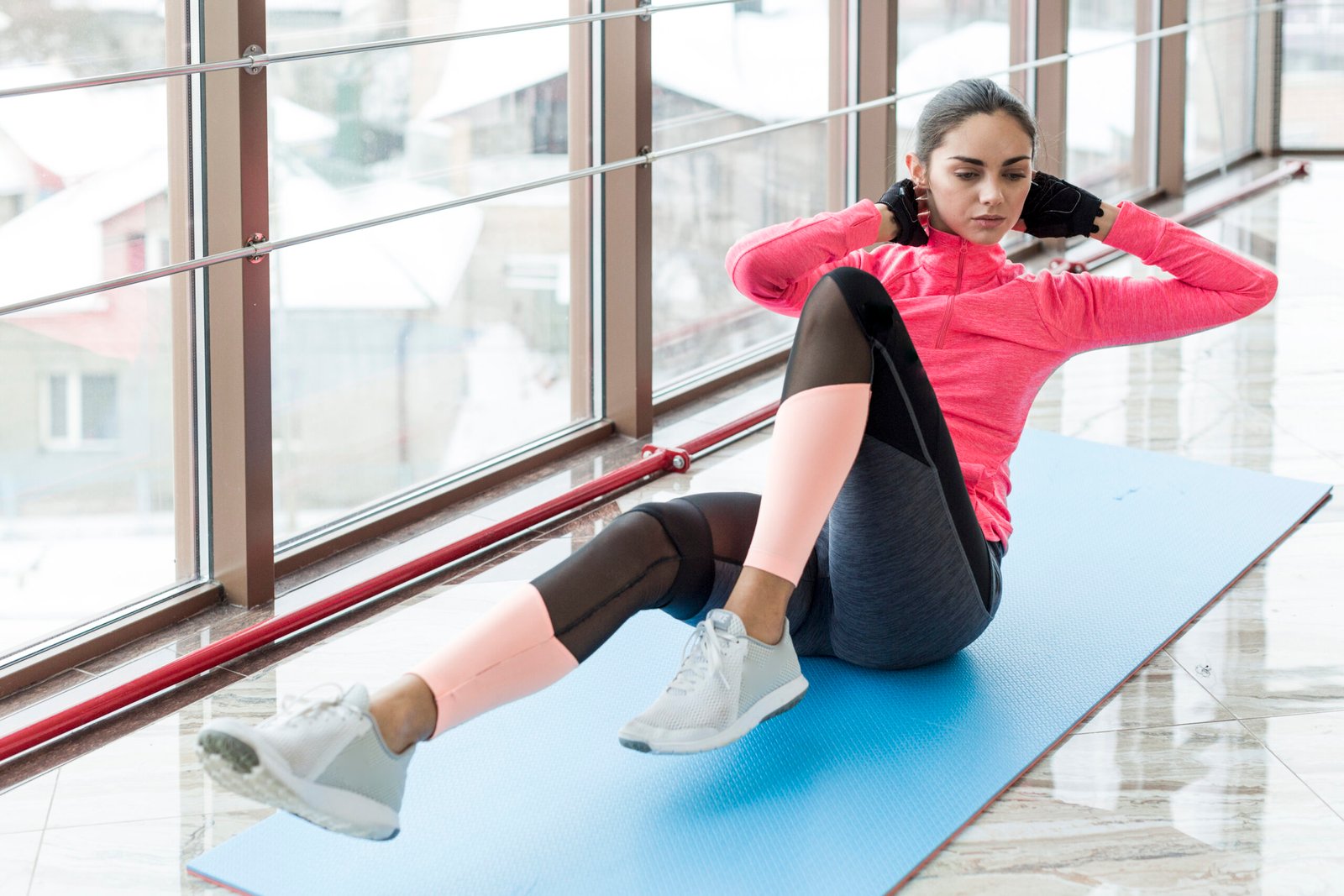
Some exercises burn more calories because they use big muscles and keep your heart working.
You do not need to be super fit to start; small steps are enough.
How Exercises Burn Calories
Your body burns calories when your muscles work and your heart beats faster.
Exercises that use large muscles (legs, back, core) and last longer usually burn more calories.
For most people, these help a lot:
-
- Walking
- Jogging or running
- Cycling
- Swimming
- Simple home workouts (like squats, steps, light jumps)
You can track your own burn with an online tool like this: Calories Burned Calculator
Walking – Easiest Place to Start
Walking is one of the best exercises to burn calories for beginners.
Why it works:
-
- Uses big leg muscles.
- Easy to do almost anywhere.
- Low impact and gentle on joints.
Simple tips:
-
- Start with 10–20 minutes at a comfortable pace.
- Slowly build to 30–45 minutes most days.
- Walk a bit faster when you feel ready (you should still be able to talk).
Even a daily walk can burn a good amount of calories over time and support heart health.
Jogging or Light Running
Jogging and running burn more calories per minute than walking.
Why they work:
-
- Higher intensity, so your heart and lungs work harder.
- More impact, so your muscles push more with each step.
Beginner tips:
-
- Start with walk–run intervals:
- 1 minute easy jog, 2 minutes walk, repeat.
- Use soft surfaces if you can (track, grass, treadmill).
- Stop if you feel sharp pain in knees, hips, or ankles.
- Start with walk–run intervals:
You do not need to run fast; a slow jog is enough to raise calorie burn compared to walking.
Cycling – Great for Low-Impact Calorie Burn
Cycling is good if your joints do not like running.
Why it works:
-
- Uses big leg muscles (thighs and glutes).
- Can be low impact and easier on knees and hips.
- You can adjust the resistance or hills to control effort.
Beginner tips:
-
- Start with 15–20 minutes at light to moderate effort.
- You should feel your heart rate go up but still be able to speak in short phrases.
- Increase time before pushing very hard.
You can cycle outdoors or on a stationary bike at home or in a gym.
Swimming – Full-Body, Joint-Friendly
Swimming burns calories and is gentle on your joints.
Why it works:
-
- Uses arms, legs, back, and core at the same time.
- Water supports your body weight, so joints feel less stress.
- Can be good for people with joint pain or extra weight.
Beginner tips:
-
- Start with short, easy laps or water walking.
- Rest as needed at the pool edge.
- Build up your time slowly as your breathing improves.
Even 20–30 minutes of light swimming can be a strong calorie burner for many people.
Home Bodyweight Exercises
You can also burn calories with simple moves at home.
Examples:
-
- Squats to a chair
- Lunges or step‑ups
- Wall push‑ups
- Marching or jogging in place
- Low‑impact jumping jacks (or step jacks)
Why they work:
-
- Use big muscles in legs and upper body.
- Can be done in short bursts (like circuits).
- No equipment needed.
Beginner tip:
-
- Do 2–3 rounds of 5–10 reps per move, 2–3 days per week.
- Move at a pace that makes you breathe deeper but still feel in control.
Simple Weekly Routine Example
Here’s an easy plan using the best exercises to burn calories in a safe way.
Day 1 – Brisk Walk
-
- 5 minutes easy walk (warm‑up).
- 20 minutes brisk walk (you can talk, but not sing).
- 5 minutes easy walk (cool‑down).
Day 2 – Home Workout
-
- 5 minutes light marching in place.
- 3 rounds of:
- 10 chair squats
- 10 wall push‑ups
- 10 step‑ups each leg
- 5 minutes stretching.
Day 3 – Rest or Light Activity
-
- Gentle walk, light cleaning, or stretching.
Day 4 – Cycling or Swimming
-
- 5 minutes very easy pace.
- 20–25 minutes steady pace (a bit out of breath).
- 5 minutes easy pace.
Day 5 – Walk–Run Intervals (If You Feel Ready)
-
- 5 minutes easy walk.
- 6–8 rounds of:
- 1 minute slow jog
- 2 minutes walk
- 5 minutes easy walk.
Weekend:
-
- One active day (walk, play, hike) and one easy rest day.
You can adjust days, times, and exercises to fit your life and body.
Safety Tips for Burning More Calories
-
- Increase time and effort slowly (no big jumps).
- Warm up for 5–10 minutes before harder effort.
- Wear comfortable shoes, especially for walking and running.
- Drink water before and after exercise.
- Stop if you feel chest pain, strong dizziness, or sharp joint pain.
If you have health problems or take regular medicine, speak with a health professional before starting intense exercise.
Tracking Your Calorie Burn
If you are curious about numbers, you can:
-
- Use a fitness watch or app.
- Use an online calculator: Calories Burned Calculator
You usually:
-
- Choose the exercise (walking, running, cycling, etc.).
- Enter your weight and time.
- See an estimated calorie burn for that workout.
The exact number is less important than building a regular habit.
FAQs About the Best Exercises to Burn Calories
-
- Which exercise burns the most calories?
Running and other hard, fast activities usually burn the most calories per minute. But they are also harder and not always best for beginners. - Is walking enough to lose weight?
Yes, if you walk often and also watch what you eat. Walking is safe, simple, and easy to repeat. - How long should I exercise to burn more calories?
Aim for at least 20–30 minutes most days. You can split it into shorter blocks (like 2 × 15 minutes) if needed. - Do I have to feel exhausted for it to work?
No. You should feel like you’re working, but still able to breathe and talk in short phrases. Pain or extreme exhaustion is a sign to slow down. - How do I choose the best exercise for me?
Pick something that:
- Which exercise burns the most calories?
-
-
- Feels safe for your body.
- Fits your life and schedule.
- You can enjoy and repeat most days.
That way, you’ll burn more calories over weeks and months, not just in one workout.
-