
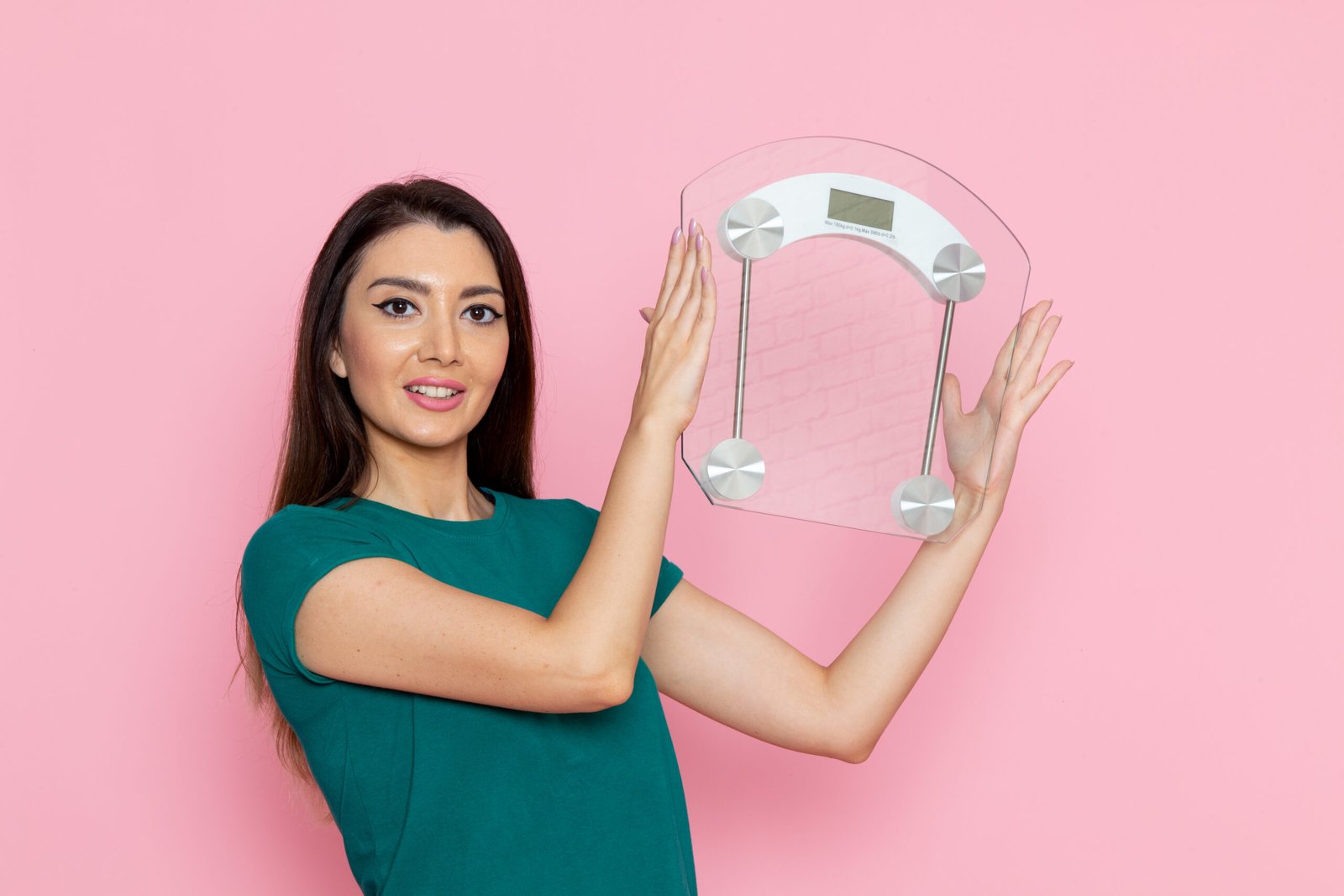
What Does “Ideal Body Weight” Mean?
Ideal body weight means a weight where your body can work well and you have lower health risks.
It is usually a range, not a single “goal” number.
Things like energy, strength, and how you feel each day also matter a lot, not just the scale.
If you want a quick estimate, you can use the simple tool on this site: Ideal Weight Calculator..
Age and Ideal Body Weight
Age is one of the main factors affecting ideal body weight.
-
- Younger adults often have more muscle and move more.
- As people get older, they may lose muscle and move less.
This can change:
-
- How much you weigh.
- Where your body stores fat.
- What weight feels “comfortable” and healthy.
So a “good” weight at 20 may not be the same at 50, even for the same person.
Gender and Body Build
Men and women usually have different body shapes.
-
- Men often have more muscle and less fat at the same weight.
- Women usually have a bit more body fat, which is normal and healthy for hormones.
This means:
-
- At the same height, a man’s healthy range might sit a little higher.
- A woman’s healthy range might be a bit lower.
Also, some people have:
-
- A small frame (narrow bones).
- A medium frame.
- A large frame (wider bones).
A large‑framed person can weigh more than a chart suggests and still be healthy.
Muscle vs Fat
Muscle and fat both add weight, but they act very differently in the body.
-
- Muscle is dense and heavy but healthy.
- Fat is lighter but stored energy.
Two people can:
-
- Be the same height.
- Have the same weight.
But:
-
- One has more muscle and less fat.
- The other has more fat and less muscle.
They will look different and have different health risks, even with the same number on the scale.
This is why ideal weight is better seen as a range, not a fixed target.
Lifestyle and Daily Habits
Your daily habits also change your ideal body weight range.
-
- Activity level:
- People who move more or play sports often have more muscle.
- They may sit at the higher end of a healthy range.
- Food choices:
- Balanced meals with fruits, veggies, protein, and whole grains help your body stay near a healthy range.
- Lots of sugary drinks and fast food can slowly push weight above that range.
- Sleep and stress:
- Poor sleep and high stress can change hunger and fat storage.
- Over time, this can affect your weight too.
- Activity level:
So two people with the same height and age can still have very different ideal ranges because their lives are different.
Everyday Examples
Example 1: Same Height, Different Bodies
-
- Sara and Emma are both 165 cm tall.
- Sara works in an office and rarely exercises.
- Emma walks a lot and lifts light weights.
Even if they both weigh 65 kg:
-
- Emma might have more muscle and less fat.
- Sara might have less muscle and more fat.
Their healthy or “ideal” weight range is not just about the number.
It’s also about body makeup and habits.
Example 2: Young vs Older
-
- Tom is 25, 175 cm tall, and plays soccer.
- David is 55, same height, but sits most of the day.
Tom can stay healthy at a slightly higher weight because he has more muscle.
David’s comfortable, healthy range might be a bit lower unless he also does strength and movement work.
Why Ideal Weight Is Always a Range
Because of:
-
- Age
- Gender
- Muscle vs fat
- Bone frame
- Lifestyle and activity
It is impossible for one number to be “right” for all people of the same height.
So think of ideal body weight like this:
-
- A band or zone where your body tends to work best.
- A place where you can move well, feel okay, and your health checks look good.
Charts and tools (like Ideal Weight Calculator.) can show a starting range, but your real “best” weight also depends on how you feel and what your doctor says.
FAQs About Factors Affecting Ideal Body Weight
-
- Why is my “ideal weight” different from my friend’s if we’re the same height?
Because you may have different muscle, bone frame, age, and lifestyle. Ideal weight is personal, even for the same height. - Can I be healthy above the “ideal weight” chart range?
Yes, sometimes. If you have more muscle, good fitness, and normal health tests, you might be healthy a bit above a basic chart. - Does getting older always mean I should weigh less?
Not always, but muscle often drops with age. Staying active and doing light strength work can help you keep a healthy weight and strength. - Is it bad to aim for the lowest number in my ideal range?
It can be. Very low weight is not always better. A middle point in your range is often more stable and easier to maintain. - How can I find a good target for myself?
Use Ideal Weight Calculator to see a rough range, then talk to a health professional. Together you can choose a goal that fits your age, body type, and health.
- Why is my “ideal weight” different from my friend’s if we’re the same height?