
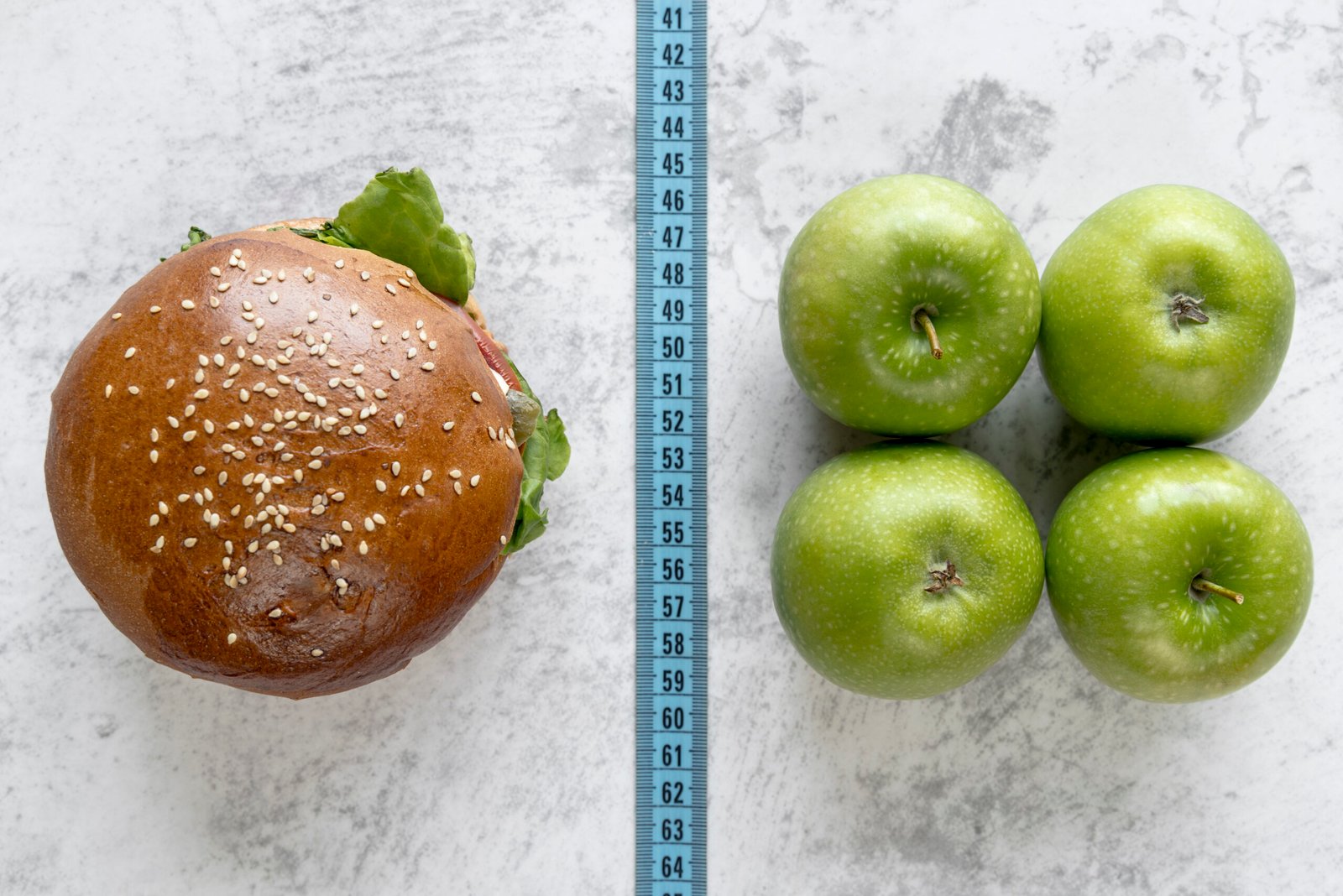
Healthy weight and ideal weight sound similar, but they are not the same thing.
One is about real-life health, the other is more about numbers and charts.
What Is a Healthy Weight?
A healthy weight is a weight range where your body works well and you feel mostly good in daily life.
It is about health, not looks.
Simple signs of a healthy weight:
-
- You have enough energy for work, family, and daily tasks.
- You can walk, climb stairs, and move without extreme breathlessness.
- Your doctor is mostly happy with your blood pressure, sugar, and cholesterol.
- You sleep reasonably well and feel okay in your body.
A healthy weight is flexible.
You can be a bit higher or lower and still be healthy if your habits and tests are good.
You can see a rough healthy range for your height using this tool: Healthy Weight Calculator
What Is an Ideal Weight?
Ideal weight usually means a “target” weight based on formulas or charts.
It is often calculated from:
-
- Your height
- Sometimes your sex and age
Ideal weight is more of a number on paper than a full health picture.
Different formulas can give different “ideal” numbers for the same person.
Important points:
-
- Ideal weight is not always the same as your best weight in real life.
- It does not know your muscle, bone frame, or fitness level.
- It can be useful as a rough guide, but not as a strict rule.
Healthy Weight vs Ideal Weight: Simple Comparison
Here is an easy way to see the difference.
Healthy weight
-
- Focus: How your body works and feels.
- Based on: Energy, movement, medical tests, and overall well-being.
- Range: A band of weights can be healthy for one person.
- Goal: Long-term health and a life you can enjoy.
Ideal weight
-
- Focus: A number or narrow range from charts or formulas.
- Based on: Mostly height (and sometimes sex/age).
- Range: Often gives 1–2 “best” numbers.
- Goal: A simple target, sometimes used in diet or fitness plans.
Both can be helpful, but they do different jobs.
Real-Life Example: Fitness Focus vs Health Focus
Example 1: Very Fit Person
-
- Alex is 170 cm tall and very muscular.
- Chart says his ideal weight is about 64–68 kg.
- He weighs 74 kg because he has a lot of muscle.
By charts, Alex might look “above ideal”.
But:
-
- His blood pressure, sugar, and cholesterol are good.
- He can run, lift, and move easily.
- His doctor is not worried.
For Alex:
-
- His healthy weight is higher than his chart “ideal weight”.
- Health matters more than hitting the lower number.
Example 2: “Normal” Weight but Low Health
-
- Maria is 165 cm and weighs 56 kg.
- Many charts would call that close to an ideal weight.
But:
-
- She smokes, sleeps very little, and never moves.
- She feels tired, weak, and her tests are not great.
Her “ideal weight” number looks fine, but her health is not.
So ideal weight alone does not guarantee a healthy weight.
Which Should You Prioritize?
For long-term life and happiness, healthy weight is more important than ideal weight.
Focus mainly on:
-
- How your body feels and moves.
- Your energy, sleep, mood, and strength.
- What your doctor says about your health checks.
You can still use ideal weight:
-
- As a soft guide or starting point.
- To see if you are very far from common ranges.
- Together with a Healthy Weight Calculator and medical advice.
But do not chase a single “perfect” number if it makes you:
-
- Very tired
- Very hungry
- Weak or unhappy
- Obsessed with the scale
How to Set a Realistic Weight Goal
A good goal should:
-
- Sit near a healthy range for your height.
- Allow you to eat enough to feel okay.
- Let you move, work, and enjoy life.
- Be something you can keep, not just hit for a week.
Often, a middle point of your healthy range is more realistic than the very lowest number on a chart.
You can:
-
- Check your range with the Healthy Weight Calculator.
- Talk with a doctor or dietitian about a safe, personal target.
- Focus on habits: balanced food, daily movement, sleep, stress care.
FAQs About Healthy Weight vs Ideal Weight
-
- Is healthy weight always the same as ideal weight?
No. Healthy weight is about how your body works and feels. Ideal weight is a chart number. They can match, but often they don’t perfectly. - Should I worry if I’m above my ideal weight?
Not automatically. Look first at your health signs: energy, movement, medical tests, and how you feel. Then use charts and calculators as extra information. - Can my healthy weight change over time?
Yes. Age, muscle, hormones, and lifestyle can shift what weight feels best and healthiest for you. - Is it bad to aim for my ideal weight from a chart?
It depends. If it is close to your healthy range and you can reach it slowly with good habits, it can be fine. But if you must starve or overtrain, it is not a healthy goal. - What’s the best first step if I’m unsure about my weight?
Check your rough range with the Healthy Weight Calculator , then talk to a health professional. Together, you can set a goal that supports your long‑term health, not just a number.
- Is healthy weight always the same as ideal weight?