
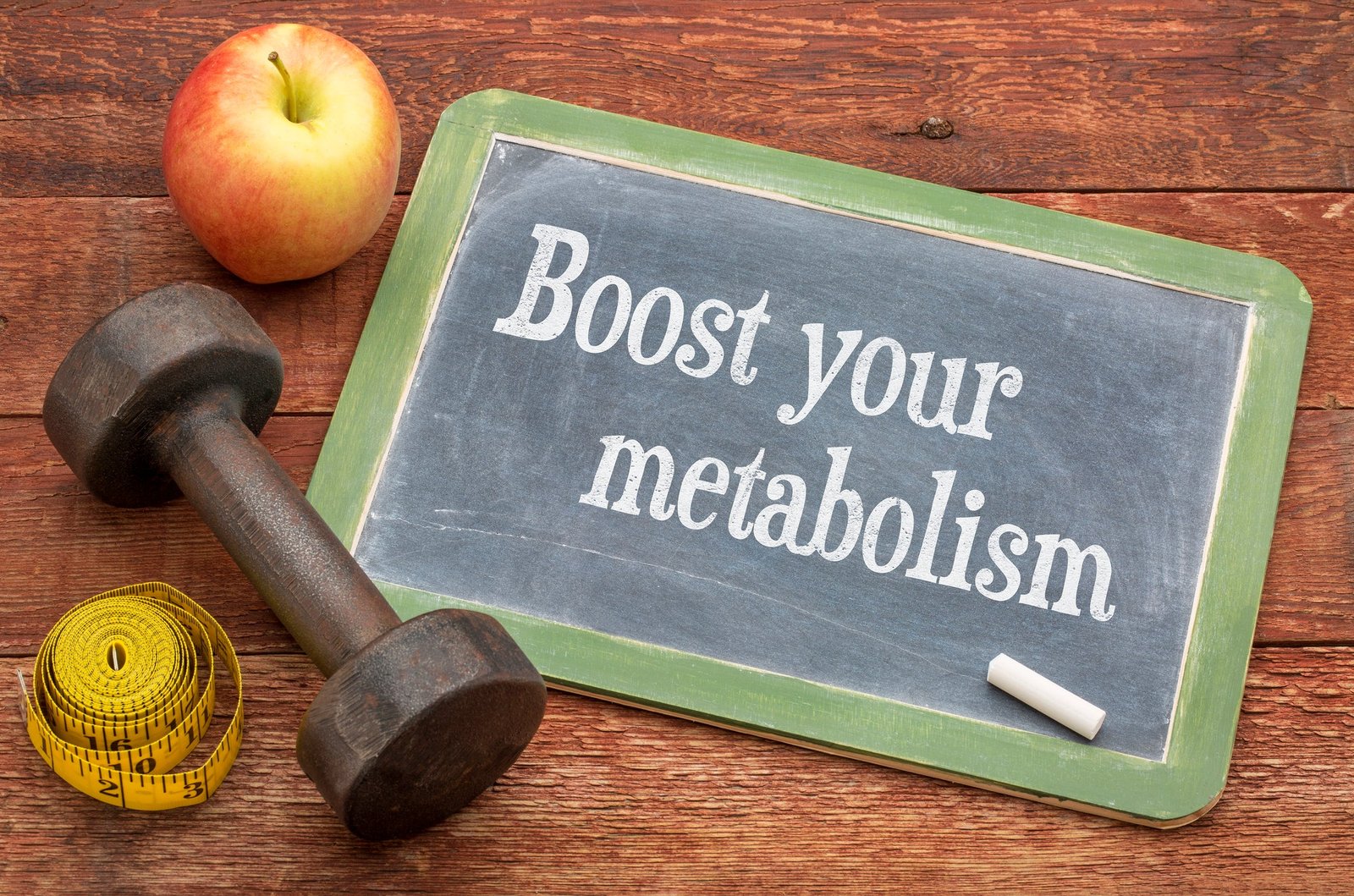
Your body burns calories all day, even when you rest. There are gentle, natural ways to help it burn a little more over time.
What Is BMR?
BMR means Basal Metabolic Rate.
It is the number of calories your body burns when you are resting, not moving much.
These calories keep you alive by:
-
-
- Pumping blood
- Breathing
- Running your brain and nerves
- Repairing cells
-
Knowing your BMR helps you understand how much energy your body uses every day.
What Affects Your BMR?
Many things change how high or low your BMR is.
Some you can’t control, some you can.
Main factors:
-
-
- Age (BMR often gets lower as you get older)
- Sex (men usually have higher BMR than women)
- Muscle mass (more muscle, usually higher BMR)
- Body size (bigger bodies often burn more at rest)
- Genetics and hormones
-
You can’t change your age or genes, but you can work on muscle, movement, food, and sleep.
Can You Increase BMR Naturally?
You cannot “flip a switch” and change BMR overnight.
But you can support your body so it burns a little more energy over time in a safe way.
The main tools are:
-
- Building some muscle
- Moving more during the day
- Eating enough protein
- Sleeping well and lowering stress
These are slow, healthy methods, not quick tricks.
Tip 1: Build a Little Muscle
Muscle uses more energy than fat, even when you rest.
So adding a bit of muscle can help your BMR go up slowly.
Beginner-friendly ideas:
-
- Bodyweight squats
- Wall push-ups
- Light lunges
- Using water bottles as light weights
You can start with:
-
- 2–3 days per week
- 10–12 reps of each move
- 1–2 sets at first, then more as you feel stronger
Over months, more muscle can mean your body burns more calories all day.
Tip 2: Move More During the Day
You don’t need hard workouts to help your body burn extra energy.
Simple movement adds up.
Easy ways:
-
- Walk 10–30 minutes a day
- Use stairs when possible
- Stand up and stretch every hour
- Do light housework or play with kids
These small movements support your overall metabolism and help your body stay active.
Tip 3: Eat Enough Protein
Protein helps your body build and maintain muscle.
It also takes more energy to digest than fat or simple carbs.
Simple protein options:
-
- Eggs
- Yogurt
- Beans and lentils
- Fish or chicken
- Tofu or paneer
Try to include a little protein in each meal, like:
-
- Oats with yogurt
- Rice and beans
- Salad with eggs or chicken
This can support muscles and may help your body burn slightly more calories.
Tip 4: Don’t Eat Too Little
Very low-calorie diets can slow your BMR over time.
Your body may think it needs to “save” energy and burn less.
Better approach:
-
- Eat regular meals
- Choose whole foods most of the time
- Avoid long periods of starving or skipping many meals
If you ever plan a big diet change, it’s safest to talk to a health professional.
Tip 5: Sleep Well
Good sleep is important for a healthy metabolism.
Poor sleep can affect hormones that control hunger and energy use.
Basic sleep habits:
-
- Aim for about 7–8 hours most nights (for adults)
- Go to bed and wake up at similar times
- Limit screens close to bedtime
When you sleep well, your body works better at burning and using energy.
Tip 6: Manage Stress Gently
High stress can affect hormones that impact appetite and fat storage.
You can’t remove all stress, but you can soften it.
Try simple ideas:
-
- 5 minutes of deep breathing
- Short walks in fresh air
- Stretching or gentle yoga
- Writing your thoughts down
A calmer body often handles energy and food better.
Daily Routine Example to Support BMR
Here is a simple, beginner-friendly day that can help your metabolism.
Morning
-
- Drink a glass of water
- Eat breakfast with some protein (eggs, yogurt, or nut butter on toast)
- Do 5–10 minutes of light strength moves (squats, wall push-ups)
Afternoon
-
- Eat a balanced lunch (protein + veggies + some carbs)
- Take a 10–15 minute walk
- Stand and stretch every hour if you sit a lot
Evening
-
- Have a light, balanced dinner
- Take another short walk or do gentle stretching
- Prepare for bed with less screen time
You don’t need to be perfect.
Doing something most days helps more than doing everything one day.
How to Use a BMR Calculator
You can estimate your BMR with an online tool.
You usually enter:
-
- Age
- Sex
- Height
- Weight
Then you get an estimate of how many calories your body burns at rest each day.
You can try a tool like this: BMR Calculator.
You can:
-
- Note your number
- Repeat the test after some months of better habits
- See if your estimated BMR changes along with your weight and muscle
Important Safety Notes
-
- Changes in BMR are usually small and slow
- Do not chase extreme results
- If you have health problems, talk to a doctor before making big exercise or diet changes
- These tips are for general, healthy adults only
The goal is a healthy body, not just a higher number.
FAQs About How to Increase BMR
-
- Can I increase BMR a lot?
Usually, BMR only changes slowly and not by a huge amount. Building muscle and staying active can help, but results take time. - Does drinking cold water boost BMR?
Cold water might burn a tiny bit more energy, but the effect is very small. Focus more on movement, muscle, food, and sleep. - Will lifting heavy weights increase my BMR?
Strength exercise that builds muscle can help raise BMR over time. You can start with light weights or bodyweight and progress safely. - Does getting older always lower BMR?
BMR often goes down with age, mostly because people lose muscle. Staying active and doing light strength work can help slow this change. - How often should I check my BMR?
You don’t need to check often. Every few months is enough to see if your lifestyle changes are affecting your body and energy needs.
- Can I increase BMR a lot?