
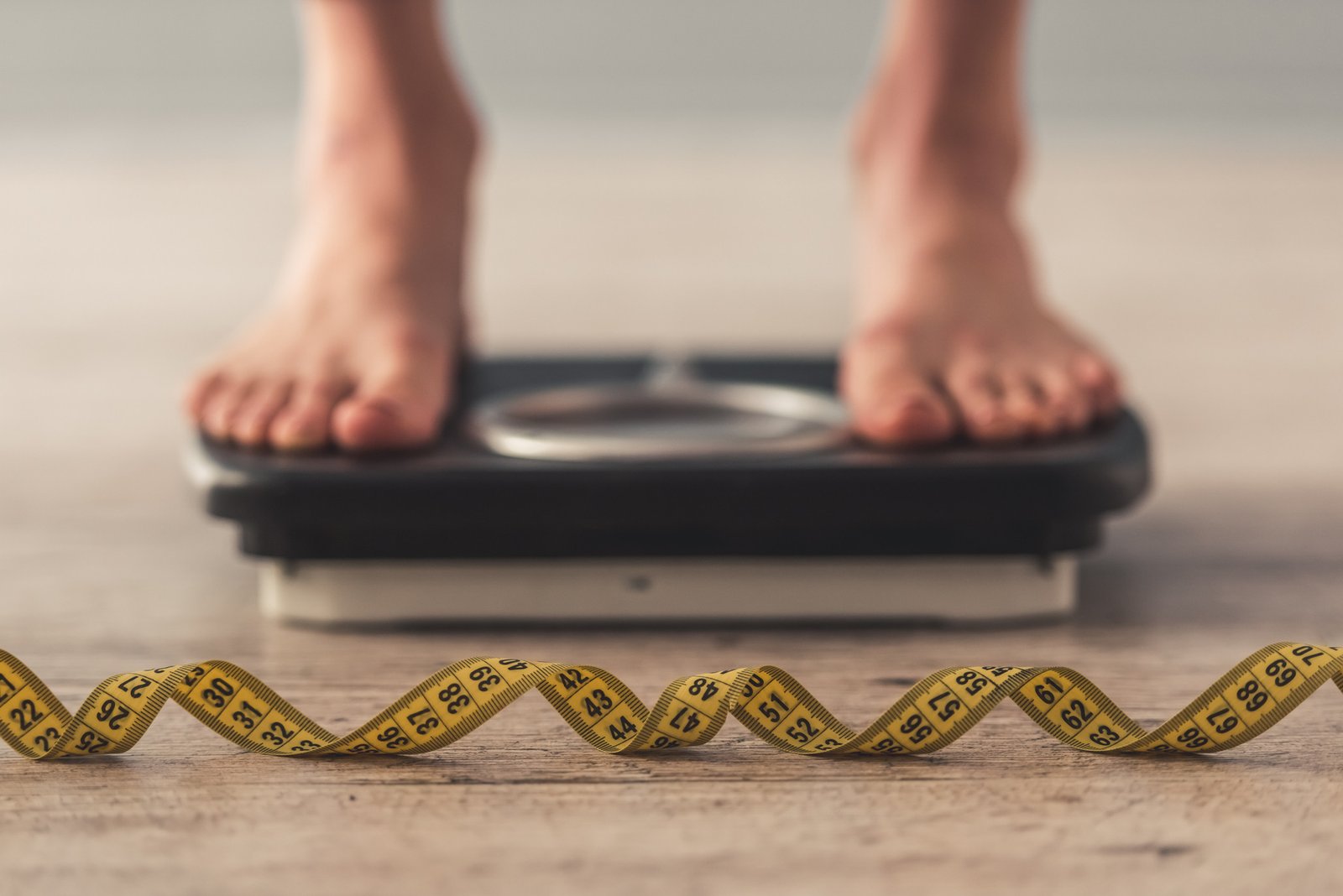
Keeping a healthy weight is about small daily habits, not strict diets.
You want a way of living you can follow for years, not just a short-time plan.
What “Maintain a Healthy Weight” Really Means
A healthy weight is a range, not one perfect number.
It’s a place where:
-
- You have enough energy most days.
- You can move, walk, and do daily tasks without extreme effort.
- Your doctor is mostly happy with your checkups.
If you want a rough guide for your range, you can use a simple online tool like the Healthy Weight Calculator: Healthy Weight Calculator
But remember: how you feel and live matters as much as the number.
Simple Food Habits You Can Keep
You do not need a “perfect” diet to maintain a healthy weight.
You just need better choices most of the time.
Build Balanced Meals
Try to make most meals look like this:
-
- Half your plate: vegetables or salad.
- About a quarter: protein
- Examples: eggs, beans, lentils, fish, chicken, tofu, yogurt.
- About a quarter: healthy carbs
- Examples: rice, potatoes, pasta, oats, whole-grain bread.
Add a little healthy fat like olive oil, nuts, or seeds.
Watch Portion Sizes (Without Counting Every Bite)
Easy ways:
-
- Eat slowly; give your brain time to feel full.
- Stop when you are comfortably full, not stuffed.
- Use smaller plates if big portions are a habit.
- Keep sugary drinks, fast food, and sweets as “sometimes foods”, not everyday foods.
You don’t need to ban favorite foods.
Just enjoy them less often and in smaller amounts.
Daily Movement to Support Healthy Weight
To maintain a healthy weight, you need to move regularly.
It doesn’t have to be hard or fancy.
Walking as Your Base
Walking is one of the best ways to stay active.
-
- Aim for 20–30 minutes most days.
- You can split it into short walks (2 × 15 minutes or 3 × 10 minutes).
- Walk at a pace where you can still talk, but feel your breathing pick up a bit.
Ideas:
-
- Walk after meals.
- Walk to the shop when possible.
- Use stairs instead of lifts for 1–2 floors.
Light Strength Work
Keeping some muscle helps your body use calories better and supports joints.
2–3 times per week, you can try:
-
- 8–12 chair squats (sit and stand from a chair).
- 8–12 wall push-ups.
- 8–12 step-ups on a safe step, each leg.
Do 1–2 rounds to start.
This helps you stay strong as you maintain your weight.
Lifestyle Habits: Sleep, Stress, and Consistency
Food and movement matter, but they are not the whole story.
Sleep
Poor sleep can make you hungrier and less active.
-
- Try for about 7–8 hours of sleep most nights (for adults).
- Go to bed and wake up at similar times when you can.
- Turn off screens 30–60 minutes before bed to help your mind calm down.
Stress
Stress can push you to eat more, move less, or choose quick junk food.
You can’t remove all stress, but you can soften it:
-
- Take short breaks for deep breathing.
- Go for a 5–10 minute walk when you feel overwhelmed.
- Talk to a friend, write in a notebook, or listen to calming music.
Consistency, Not Perfection
Real life includes busy days, holidays, and bad moods.
That’s normal.
What matters is:
-
- Returning to your simple habits after a “messy” day.
- Thinking in weeks and months, not in single meals.
One heavy meal does not break your health.
What you do most of the time is what counts.
Simple Daily Routine Example
Here is a realistic day that helps you maintain a healthy weight.
Morning
-
- Drink a glass of water after waking.
- Eat breakfast like:
- Oats with yogurt and fruit, or
- Eggs with whole-grain toast and some veggies.
- If possible, walk 10–15 minutes before or after breakfast.
Afternoon
-
- Have a balanced lunch:
- Half plate veggies, some protein (beans, fish, chicken, tofu), some carbs (rice, bread, potatoes).
- Drink water or unsweetened tea instead of soda.
- Take a short walk (5–10 minutes) or do light stretches if you sit a lot.
- Have a balanced lunch:
Evening
-
- Eat a lighter dinner than lunch, but still balanced.
- Take a 15–20 minute walk or do a short home workout (chair squats, wall push-ups, step-ups).
- Prepare for sleep: dim lights, reduce phone use, and relax.
You can adjust this schedule to your culture, work hours, and family life.
Using the Healthy Weight Calculator Wisely
You can use the Healthy Weight Calculator here: Healthy Weight Calculator.
Use it to:
-
- See a rough healthy range for your height.
- Notice if your weight is moving far outside that range over time.
- Guide gentle changes, not crash diets.
But always remember:
-
- Your energy, movement, and medical checkups matter more than a single number.
- A doctor or dietitian can help you read those numbers in the context of your full health.
FAQs About Maintaining a Healthy Weight
-
- Do I have to give up all “junk food” to maintain a healthy weight?
No. You can still enjoy treats sometimes. Focus on making most meals balanced and healthy, and keep treats smaller and less frequent. - How often should I weigh myself?
For many people, once a week or even once every two weeks is enough. Weigh at the same time of day (for example, morning) for a fair comparison. - What if my weight goes up a little sometimes?
Small changes are normal. If you notice a slow climb over several weeks, gently adjust: add a bit more movement and reduce extras like sugary drinks or big portions. - Can walking alone help me maintain a healthy weight?
Yes, if you walk regularly and keep your food habits mostly balanced. Light strength work just adds extra benefits for muscles and joints. - What’s the best first step if I feel “off track”?
Start small: drink more water, add a short daily walk, and make one meal more balanced each day. Then, if you like, check your range with the Healthy Weight Calculator and talk to a health professional for personal advice.
- Do I have to give up all “junk food” to maintain a healthy weight?