
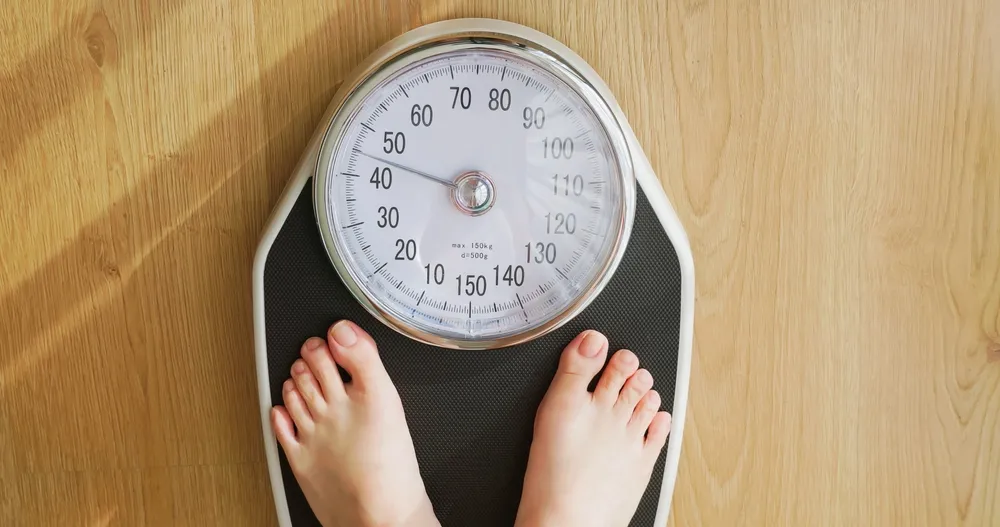
Reaching your ideal weight safely is a slow, kind process.
You do not need extreme diets or hard workouts to make real progress.
What “Reach Ideal Weight Safely” Really Means
Your ideal weight is a healthy range, not one perfect number.
It’s a place where you have energy, feel well, and your body can work smoothly.
You can see an estimated healthy range for your height using the simple tool on this site: Ideal Weight Calculator.
Then you can aim to move toward that range at a gentle pace.
Simple Food Tips (No Extreme Diets)
You don’t need to eat “perfectly”.
You just need more good choices most days.
Build Balanced Plates
Try to include three simple parts on your plate:
-
- Half plate: vegetables or salad.
- Quarter plate: protein (eggs, beans, fish, chicken, tofu, lentils).
- Quarter plate: healthy carbs (rice, potatoes, pasta, oats, whole‑grain bread).
This helps you feel full and gives your body what it needs.
Watch Portions and Drinks
Small changes can help a lot:
-
- Eat slowly and stop when you feel comfortably full, not stuffed.
- Swap sugary drinks (soda, sweet juice) for water most of the time.
- Keep treats (cakes, chips, candy) as “sometimes” foods, not every day.
Aim for small, steady changes instead of big, strict rules.
Beginner Exercise Tips (Gentle and Doable)
Movement helps your body use energy and protect muscle.
You can start small and still see progress.
Start with Walking
Walking is one of the safest ways to move more:
-
- Begin with 10–15 minutes a day.
- Slowly increase to 30 minutes on most days.
- You can break it into shorter walks, like 3 × 10 minutes.
You don’t have to walk fast.
A comfortable pace you can keep is enough.
Add Light Strength Work
Light strength helps keep or build muscle while you lose fat.
2–3 times per week, you can try:
-
- Bodyweight squats to a chair.
- Wall push‑ups.
- Light lunges or step‑ups.
- Simple core holds (like a short plank or dead bug).
Do 1–2 sets of 8–12 reps each to start.
Rest if anything feels painful (sharp, not normal effort).
Lifestyle Habits That Support Safe Weight Change
Food and exercise are only part of the picture.
Your habits each day also matter.
Sleep
Good sleep helps hunger and energy hormones stay balanced.
-
- Aim for about 7–8 hours of sleep if you can.
- Try to sleep and wake at similar times each day.
- Reduce screens before bed for better rest.
Water
Drinking enough water supports digestion and energy.
-
- Keep a bottle with you and sip through the day.
- Sometimes thirst feels like hunger; water may help you snack less.
Consistency Over Perfection
You don’t need to be perfect.
You just need to be consistent most of the time.
-
- If one meal or one day goes “off plan”, that’s okay.
- Go back to your simple habits at the next meal or the next day.
- Think in weeks and months, not in days.
Simple Daily Routine Example
Here’s a gentle, beginner‑friendly day to help you reach ideal weight safely.
Morning
-
- Drink a glass of water.
- Eat a simple breakfast like:
- Oats with fruit, or
- Eggs with whole‑grain toast.
- Take a 10–15 minute walk.
Afternoon
-
- Eat a balanced lunch:
- Veggies + protein (beans, fish, or chicken) + some rice or bread.
- Drink water instead of sugary drinks.
- Take a short 5–10 minute walk or do some light stretches.
- Eat a balanced lunch:
Evening
-
- Have a light dinner:
- Soup, salad with protein, or simple home‑cooked meal.
- Go for another easy walk or do a light home workout (10–15 minutes).
- Put screens away before bed and aim for good sleep.
- Have a light dinner:
Repeat most days, and adjust the details to fit your culture, taste, and schedule.
How to Track Progress Safely
Tracking helps you see progress, even when it feels slow.
You can:
-
- Use Ideal Weight Calculator to see your healthy range.
- Weigh yourself no more than 1–2 times per week, at the same time of day.
- Note how your clothes fit and how your body feels.
- Pay attention to energy, mood, and sleep, not just the scale.
Safe weight change is usually slow.
Big, fast drops are often not healthy and hard to keep.
Be Kind to Yourself
Reaching your ideal weight safely is about health, not punishment.
Keep in mind:
-
- Your journey is yours, not your friend’s or someone online.
- Small changes done daily beat perfect changes done rarely.
- Even if progress is slow, you are still moving forward.
If you have medical conditions, are pregnant, very underweight, or on medication, talk with a health professional before making big changes.
FAQs About Reaching Ideal Weight Safely
-
- How fast should I try to lose weight?
Slow is best. Many experts suggest small changes over time, not crash diets. Think in months, not days. - Do I need a strict diet plan to reach my ideal weight?
No. Balanced meals, fewer sugary drinks, and regular movement are enough for many people to see steady progress. - Can I reach ideal weight with walking only?
For many beginners, yes—especially when combined with better food choices. Light strength work can give extra benefits but isn’t required at the start. - What if my weight doesn’t move even with effort?
Check other signs: clothes fit, energy, sleep, mood. If nothing changes for a long time, consider adjusting portions or speaking with a health professional. - How do I know when I’ve reached a good weight for me?
You are close when: - You feel energetic.
- Your doctor is happy with your health checks.
- You are within or near a healthy range on Ideal Weight Calculator, and your lifestyle feels sustainable.
- How fast should I try to lose weight?