
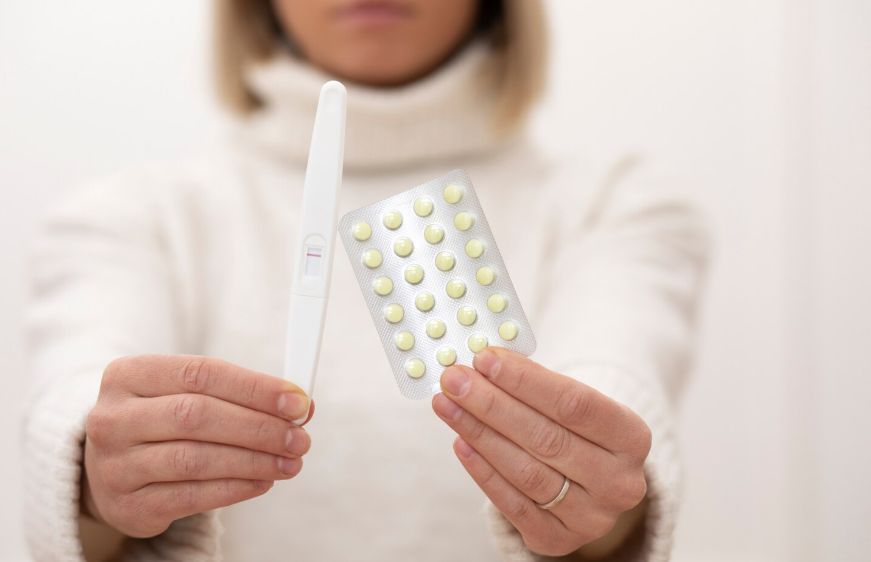
Birth control and women’s desire are connected, but not in one simple way.
Some women feel lower desire, some feel no change, and some even feel better on birth control.
This guide explains the basics in very easy language so you can ask better questions and make choices that fit you.
It is for information only, not personal medical advice.
Birth Control and Women’s Desire: The Big Picture
Studies show mixed results.
-
-
Many women report no change in desire on hormonal birth control.
-
Some women notice lower desire.
-
A smaller group report higher desire, often because they feel safer and less worried about pregnancy.
-
Your response is personal. If something feels “off”, it is valid to notice and explore.
Hormonal vs Non-Hormonal Birth Control
Hormonal Methods (Change Your Hormones)
These methods use lab-made versions of hormones like estrogen and progestin.
Common types:
-
-
Pill (combined or progestin-only)
-
Hormonal IUD
-
Implant (under-skin rod)
-
Shot (injection)
-
Patch or ring
-
They mainly work by:
-
-
Stopping ovulation (no egg released)
-
Thickening cervical mucus so sperm can’t move easily
-
Changing the lining of the uterus
-
Non-Hormonal Methods (No Hormones)
These do not change your hormones.
Examples:
-
-
Copper IUD
-
Condoms (external and internal)
-
Diaphragm, cervical cap
-
Spermicide
-
Fertility awareness / natural family planning
-
They work by blocking sperm, killing sperm, or tracking fertile days.
How Hormonal Birth Control May Affect Desire
Science suggests several possible effects, but results are not the same for everyone.
Possible Ways Desire Can Decrease
-
-
Some pills raise a protein (SHBG) that lowers free testosterone, which may reduce sexual desire for some women.
-
Stopping ovulation may flatten the natural mid-cycle “peak” in desire that some women feel.
-
Side effects like headaches, mood changes, or vaginal dryness can make sex less appealing.
-
In one trial, a combined pill slightly reduced scores for desire and arousal compared with placebo, but overall sexual function changes were small.
Other studies find hormonal users more likely to report reduced desire than hormone-free users, although most still report no major problems.
Possible Ways Desire Can Improve or Stay the Same
-
-
Less fear of pregnancy can make it easier to relax and enjoy sex.
-
Some methods reduce period pain, acne, or heavy bleeding, which can help overall sexual comfort and confidence.
-
Several studies show the majority of users report no change in libido, with a smaller group reporting benefits.
-
Hormonal IUDs often show neutral or even positive effects on desire and comfort in many women.
How Non-Hormonal Methods Relate to Desire
Non-hormonal methods do not change your body’s own hormones.
So they usually do not have a direct effect on libido.
Copper IUD
-
-
Works by copper making the uterus a hostile place for sperm.
-
Does not affect estrogen, progesterone, or testosterone levels.
-
Some women get heavier, more painful periods, which could indirectly reduce desire for part of the month.
-
Condoms and Barrier Methods
-
-
No hormone effect on desire.
-
Some people feel condoms interrupt the moment or reduce sensation, which can lower desire. Others feel more desire because they feel safer from STIs and pregnancy.
-
Overall, with non-hormonal birth control, changes in desire are usually about comfort, safety, or sensation, not hormone shifts.
Pros and Cons for Desire: Simple View
| Method type | Possible positives for desire | Possible negatives for desire |
|---|---|---|
| Combined pill | Less pregnancy worry; more cycle control | Slight drop in desire for some; mood or dryness issues |
| Progestin-only (pill, implant, shot) | Easy, long-acting; no estrogen-related risks for some | Irregular bleeding, mood changes may affect desire |
| Hormonal IUD | Often lighter periods; many report no change or better sex life | Spotting, cramps at start; a few report lower desire |
| Copper IUD | No hormones; long-term protection | Heavier, more painful periods for some women |
| Condoms/barriers | No hormones; STI protection increases safety | Less sensation, interruptions can affect mood |
Every method has trade-offs. The “best” one is the one that fits your health, values, and how you feel in real life.
How to Notice Your Own Pattern
Because research is mixed, your experience matters a lot.
You can:
-
-
Before starting: Note your usual desire level for a month or two.
-
After 2–3 months on a method: Ask yourself:
-
“Do I think about sex more, less, or the same?”
-
“Do I enjoy sex when it happens?”
-
“Did mood, pain, or dryness change?”
-
-
If something feels off: Check whether stress, sleep, relationship issues, or other medicines might also play a role.
-
If desire dropped soon after starting birth control and it bothers you, that is important data.
When to Consider Changing Methods
You might think about changing method or seeing a clinician if:
-
-
Your desire drops a lot soon after starting a new method.
-
Sex becomes painful or very dry.
-
You feel new or worse depression or anxiety.
-
The change feels strong enough to affect your relationship or self-esteem.
-
You can say:
“Since I started this birth control, my sex drive feels much lower. Could we talk about other options that might suit me better?”
Healthcare guidelines suggest that sexual side effects should be part of normal contraceptive counseling.
Questions to Ask Your Provider
To make informed choices about birth control and women’s desire, you can ask:
-
-
“What do studies say about this method and sexual desire?”
-
“If my desire changes, how long should I wait before we think about switching?”
-
“What non-hormonal options could work for me?”
-
“How will this method affect bleeding, cramps, mood, or dryness?”
-
Bringing notes or a partner you trust can help you remember details.
FAQ: Birth Control and Women’s Desire
1. Does the pill always lower sex drive?
No.
Research shows many pill users notice no change, some notice a small drop, and some notice better sex because they feel safer and have less pain or bleeding.
2. Are non-hormonal methods always better for desire?
Not always.
They do not change hormones, but things like heavier periods with a copper IUD or condom discomfort can still affect desire for some women.
3. How long should I “wait and see” if a method affects my desire?
Many experts suggest giving a hormonal method at least 2–3 months, unless side effects are severe.
If low desire continues and bothers you, you can ask about changing methods.
4. Can birth control ever increase desire?
Yes.
Some women feel more desire when pain, heavy bleeding, or pregnancy fear go down, or when a hormonal IUD improves comfort.
5. What if my provider dismisses my concerns?
Your experience matters.
If you feel your concerns about desire are not taken seriously, it is reasonable to ask again, bring written notes, or seek a second opinion.
Birth control and women’s desire interact in complex ways, and science shows there is no single story that fits all women.
Listening to your own body, tracking changes, and asking clear questions can help you find a method that protects you and still feels good for your sexual wellbeing.