
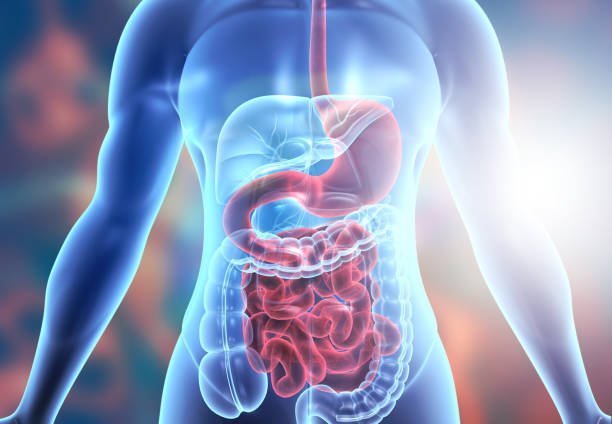
Gut health and women’s desire are more connected than most people realize.
Your gut talks to your brain and hormones all day, and this can change mood, energy, and desire.
There is usually a citation requirement, but tools are not available right now, so exact research sources cannot be added. The information below is general education only, not medical advice.
How the Gut Talks to the Brain and Hormones
Your gut is more than a food tube.
It is full of bacteria, nerves, and tiny cells that make chemicals for your brain.
In simple words:
-
-
Your gut makes many “feel-good” messengers (like serotonin) that help mood and calm.
-
Your gut sends signals to the brain through a big nerve called the vagus nerve.
-
When the gut is upset or inflamed, these signals can affect stress, mood, and even hormones.
-
When mood and stress are off, women’s desire often drops.
So gut health becomes one quiet but strong player in your sex drive.
Gut Hormones and Women’s Desire (Simple View)
Your gut also makes hormones that help control hunger, fullness, blood sugar, and energy.
These can affect how your body feels overall.
Some examples (in simple language):
-
-
“Hunger” hormones: Make you want to eat; if always high, you may feel tired and uneven.
-
“Fullness” hormones: Tell you to stop eating; if they don’t work well, you might overeat and feel heavy or sluggish.
-
Blood sugar signals: If sugar swings up and down a lot, your mood and energy can swing too.
-
When energy is low and mood is shaky, desire often feels far away.
Your body is busy dealing with basic balance instead of pleasure.
Signs Your Gut Might Be Struggling
Gut issues can look different for each woman, but common signs include:
-
-
Bloating or gas often
-
Constipation or diarrhea (or swings between both)
-
Belly pain or cramps after eating
-
Heartburn or acid feeling in the chest
-
Feeling very tired after meals
-
Frequent “brain fog”
-
If your gut feels off most days, it can be harder to feel relaxed in your body.
This can quietly lower interest in sex and closeness.
How Gut Health Can Affect Women’s Desire
Gut health can touch desire in several ways:
-
-
Mood: An unhappy gut can raise inflammation and lower “feel-good” chemicals, which may increase anxiety or sadness. Low mood often lowers desire.
-
Energy: Poor digestion and nutrient absorption can leave you tired. Tired body = less interest in sex.
-
Body comfort: If you feel bloated, gassy, or in pain, you may not feel sexy or open to touch.
-
Stress loop: Gut problems can cause stress, and stress can make gut issues worse, creating a cycle that also pulls down desire.
-
This does not mean gut health is the only cause of low desire.
It is one important piece of a bigger picture that includes sleep, hormones, mental health, and relationships.
Foods That Can Support Gut Health (Beginner-Friendly)
You do not need a perfect diet to help your gut.
Small, simple changes can matter over time.
1. Fiber-Rich Foods
Fiber feeds good gut bacteria.
Easy examples:
-
-
Oats and whole-grain bread
-
Beans, lentils, chickpeas
-
Apples, pears, berries
-
Carrots, broccoli, leafy greens
-
Try to add fiber slowly so your gut can adjust.
2. Fermented Foods (If You Tolerate Them)
These foods contain live cultures that may support gut bacteria:
-
-
Plain yogurt
-
Kefir
-
Sauerkraut or kimchi
-
Miso or tempeh
-
Start with small amounts and notice how you feel.
3. Healthy Fats
Good fats help your gut lining and hormones.
Examples:
-
-
Olive oil
-
Avocado
-
Nuts and seeds
-
Fatty fish like salmon or sardines
-
They can help you feel satisfied and steady between meals.
4. Plenty of Water
Water helps digestion move smoothly.
When you are dehydrated, constipation and tiredness can get worse, which affects mood and comfort.
Foods and Habits That May Upset Your Gut
Every woman is different, but some things often bother gut health:
-
-
Very heavy ultra-processed foods most days
-
Too much added sugar or sugary drinks
-
Lots of alcohol
-
Eating too fast or skipping meals then overeating
-
Constant grazing with no real meals
-
These habits can lead to blood sugar swings, bloating, and energy crashes.
Over time, this can wear down both mood and desire.
Simple Gut-Friendly Habits for Real Life
You do not need a perfect plan.
Aim for gentle, realistic changes.
1. Eat Regular, Simple Meals
-
-
Try not to skip all day and then have one huge meal at night.
-
Aim for a mix of:
-
Protein (eggs, fish, chicken, tofu, beans)
-
Fiber (whole grains, veggies, fruit)
-
Healthy fat (olive oil, nuts, seeds)
-
-
This can help keep energy and mood more stable.
2. Chew Slowly
Digestion starts in the mouth.
-
-
Put your fork down between bites sometimes.
-
Notice taste and texture.
-
This can reduce bloating and help you feel full at the right time.
-
A calmer meal can lead to a calmer gut and mind.
3. Gentle Movement
Light movement helps digestion:
-
-
Short walks after meals
-
Simple stretching
-
Light yoga
-
This also supports mood and can give a tiny desire boost over time.
4. Manage Stress for Your Gut
The gut is very sensitive to stress.
You can try:
-
-
A few minutes of deep breathing
-
Short breaks during the day to stand, stretch, or step outside
-
Journaling or talking to a friend about worries
-
A calmer nervous system often means a calmer gut and better mood.
Connecting Gut Health and Desire in Your Own Life
You can keep a simple diary for 2–3 weeks:
Each day, write:
-
-
“Gut: happy / okay / upset”
-
“Energy: low / medium / high”
-
“Desire: low / medium / high”
-
After a while, you might see patterns like:
-
-
“On days my gut is really bloated, my desire is always low.”
-
“When I eat lighter and walk after dinner, I feel better and more open to closeness.”
-
This is not about judging yourself.
It is about understanding your body’s signals.
When to Seek Extra Help
Gut issues and low desire sometimes need more than lifestyle changes.
It may be wise to talk to a professional if:
-
-
You have strong or lasting belly pain
-
You often have blood in stool, black stool, or sudden weight loss
-
You have diarrhea or constipation for many weeks
-
Gut trouble and low mood are making daily life very hard
-
Low desire lasts a long time and worries you
-
A doctor or gut specialist can check for specific conditions.
A therapist can help if worry, stress, or past experiences also play a role.
FAQ: Gut Health and Women’s Desire
1. Can gut problems really affect my sex drive?
Yes, they can.
When your gut affects mood, energy, and comfort, desire often drops. Your body is busy dealing with discomfort, not pleasure.
2. Will fixing my gut health solve low desire completely?
Not always.
Gut health is one part of the picture. Sleep, stress, hormones, mental health, and relationship factors also matter. But a happier gut often helps.
3. Do I need special supplements for my gut?
Not always.
Many women do well by improving food, stress, and sleep first. If you want supplements (like probiotics or fiber powders), it is best to ask a professional for guidance.
4. Are all fermented foods good for everyone?
No.
Some people feel more bloated or uncomfortable with certain fermented foods. Start small and listen to your body.
5. Is it “in my head” if I feel less sexy when I’m bloated?
No.
Feeling full, gassy, or in pain can make anyone feel less sexy. Your reaction is normal, not imagined.
Gut health and women’s desire are deeply linked through mood, energy, and how comfortable you feel in your own body.
By treating your gut kindly with simple foods, calmer meals, and small lifestyle steps, you also support the gentle return of natural desire over time.